
Embracing the Struggle
Read about having a high IQ, neurodiversity, the impostor phenomenon and other challenges for people like you.
Ann C. Schødt was a professional blog writer for Jyllands-Posten from 2012-2015. Since then she has written more than 500 blog posts at Potentialefabrikken.dk and Belastendebegavet.dk.
Here at Potentialfactory.org you can read her most popular blog posts in English.
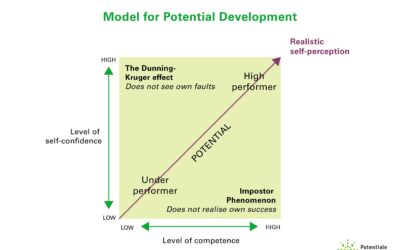
Unconsciously intelligent: this is why you feel stupid
These are some of the typical mistakes that unconsciously intelligent people make:
They think that what is obvious and logical to them is equally obvious and logical to everyone else
They think that what is common knowledge to them is also common knowledge to everyone else
They think that what is easy for them must be easy for everyone.

4 reasons why you are never satisfied
4 areas you are not satisfied with In actual fact, it’s difficult for you to put your...
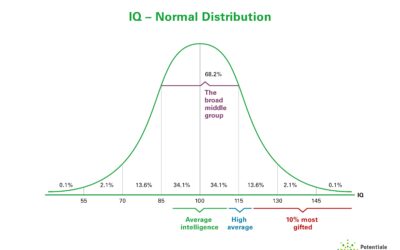
The three biggest mistakes unconsciously intelligent people make
Unconsciously intelligent If you do not realise yourself that you’re highly intelligent, you have...

5 fatal reasons why you are bored
When you are very bored for a long time, you risk being affected by boreout – a chronic type of boredom, which may have symptoms similar to burnout or stress. In the best-case scenario, you work more slowly, while in the worst case you will be put on sick leave. The more bored you are and the longer this goes on, the more it will affect your self-confidence, preventing you from making an impact if you are interviewed for another job – and you will be caught in a downward spiral.

4 reasons why gifted people cannot fall in line
4 reasons why gifted people do not progress in their careers Some years ago now, I wrote the blog...

Introvert or extrovert – which job is the best?
The problem is that jobseekers can sometimes become desperate in their search for a job. When they’ve been unemployed for a while, any job at all will seem like their long-awaited rescue from the vexations of the rigid benefits system. And so they try – in their well-intentioned eagerness – to make their personality match the job a little better by giving the kind of answers in the test that they believe the employer wants to see.

Have you found the right job?
All of us may have days when we are less motivated or feel under pressure. Or we can come down with the cold or flu – just like everyone else. The problem becomes more serious, however, if it affects your health and/or your private life, leaving you with no extra capacity for yourself or your nearest and dearest. If your energy levels are drained every day so that you’re irritable and tired when you get home, this is unsustainable in the long term.
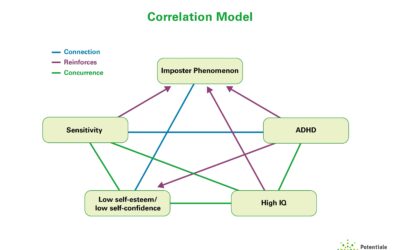
Does your high IQ conceal an ADHD diagnosis?
Do you have a high IQ? Quite a few gifted people find out only as adults how high their IQ...
Can you conceal an ADHD diagnosis at work?
Could you have ADHD without knowing it? Yes, that is a real possibility. Especially if you are...
4 differences between having a high IQ and a normal IQ
Gifted people do not believe that they are gifted, while those of high average intelligence are often convinced that they are more intelligent than the test shows.
This peculiar difference may be because of who they’re comparing themselves to:
people with a high average IQ compare themselves to those of average intelligence and may, quite rightly, conclude that they are more intelligent than them.
10 signs that you are more gifted than you think
It is said that clever people never get bored, but that is not the case. In fact, the opposite is true:
Intelligent people often get bored!
This is related to them scoring above average for Learning capability in the intelligence test, which means that they are faster than most at acquiring new knowledge.
The downside is that they also have a greater need for variety and challenges than most people – because otherwise they get bored.
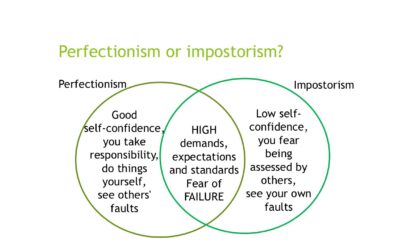
10 signs that you are affected by the impostor phenomenon
Impostorism is often confused with perfectionism. While there may be a larger or smaller degree of overlap, a person can easily be affected by impostorism without being a perfectionist, or vice versa.
High IQ and being far too honest
Because of your high IQ, you know what you’re talking about. You can argue. You’re articulate. You also talk really fast.
Some people might find this extremely annoying. Because they want to be right, be in charge and have things their way.
To others you’re a competitor. Because they need all the attention, want to be the smartest person around and preferably no. 1.
Your boss might see you as an extremely annoying competitor – for all of these reasons.

4 reasons why gifted people do not progress in their careers
If – which is most likely – you’re more intelligent than your boss, you’ll meet that person as an equal. They’ll probably feel that you’ve seen right through them, or at least that they’re being critically assessed. And if you’re being totally honest, you probably don’t think that your boss is so amazing that they deserve your full admiration. You’re able to respect them, but you probably can’t admire them as much. Because it takes a lot for someone to impress you.
Do you have a high IQ and/or ADHD?
As some gifted people also have ADHD, they will usually be able to plan, keep appointments and pay bills, but might find it difficult to read a book, sit still or avoid constantly interrupting others. Consequently, their symptoms become less pronounced.
Do you want test or talk?

